
Arrest Warrants in Walker County
An arrest warrant is signed court process ordering an Alabama officer to bring the named person before a judge. Under Alabama Rule of Criminal Procedure 3.1, it can follow an indictment or a complaint backed by probable cause, meaning a reasonable factual basis to believe an offense occurred and that this person committed it. A report alone never triggers one. Walker County treats the magistrate as neutral and detached. That judicial officer weighs the sworn facts and can refuse to issue process. Where the law allows, a summons may be used instead, ordering an appearance without an immediate arrest.
Walker Starts With Sworn Facts
The Walker misdemeanor-warrant instructions start with a police or incident report and its case number. Incidents inside a municipality begin with city police. Incidents outside city limits go to the Walker County Sheriff. From there the complainant calls the magistrate at (205) 384-7268 for an appointment. At that visit the complainant fills out a deposition and swears to the facts, since staff cannot write the account. The magistrate may consult the district attorney or grand jury before deciding whether probable cause exists, keeping reporting and judicial authorization separate.
What a Walker County Arrest Warrant Contains
Because Walker County publishes no blank local warrant form or public index, Rule 3.2 offers the best model of the contents. Exact labels can differ.
| Court and case number | The issuing jurisdiction and file identifier |
|---|---|
| Person | Name or a description sufficient to identify the person |
| Offense | The charged offense or legal description |
| Authority | Signature of the issuing judge or magistrate |
| Command | Direction to arrest and bring the person before a judge |
| Issue date | Date the process was authorized |
| Release terms | Bond or personal-recognizance information when applicable |
| Service return | Later date and manner of execution |
No exact Walker warrant-number pattern was located, so do not invent or decode one.
Walker Probable Cause Is Judicial
A police report starts the local process, but it creates no arrest warrant by itself. The sworn deposition gives the magistrate facts to weigh. If the showing falls short of probable cause, no warrant issues. That line protects the complainant's role and the accused person's rights alike. The Alabama criminal-procedure index groups the rules governing issuance, form, execution, and return.
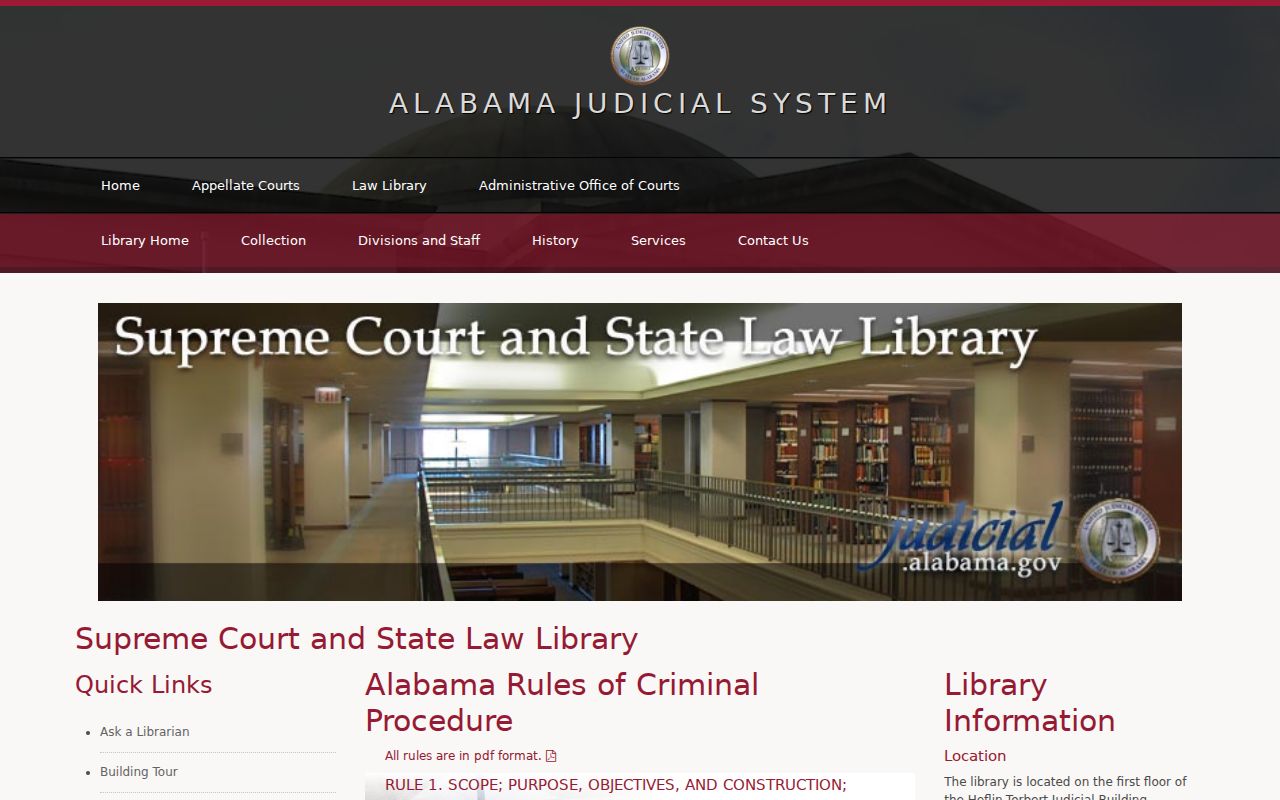
Those rules set statewide legal requirements, while Walker County's own magistrate and sheriff instructions supply the local route.
How Walker County Arrest Warrants Are Served
Rule 3.3 lets Alabama law-enforcement officers execute arrest warrants. Depending on jurisdiction, service may fall to a sheriff or deputy, municipal police officer or marshal, constable, or another officer authorized by law. The Walker County Sheriff's patrol covers unincorporated areas and assists cities on request. Execution means arrest. The officer endorses the date and manner of service, then returns the process to the named clerk. Booking, an initial appearance, bond review, and a new court date may follow, with timing driven by the charge, bond type, judge, staffing, and other holds. No official Walker source publishes a universal after-hours surrender or bond window.
City Limits Change the First Stop
Where the incident happened decides the first stop. For a county misdemeanor outside municipal limits, begin with the Walker County Sheriff and the county magistrate. Inside Jasper, a complainant first reports to Jasper Police and then uses Jasper Municipal Court at 400 West 19th Street. The city asks for detailed facts and may require ownership proof for theft or three written estimates for criminal-mischief damage. Jasper's magistrate witnesses the signature under oath and chooses between a warrant and a summons. The city also notes that a complainant cannot simply drop the charge; a judge controls the case. Other municipal courts keep their own city records, so a Walker County clerk may route a city-limit question back to that municipality.
Arrest Warrant vs Summons vs Bench Warrant
These forms serve different purposes in Walker County, and only the case record, not rumor or a payment page, establishes which one exists.
| Feature | Arrest Warrant | Summons | Bench Warrant |
|---|---|---|---|
| Command | Arrest and court presentation | Appear on a stated date | Arrest after missed duty |
| Basis | Probable cause or indictment | Charge handled without initial custody | Failure to appear or comply |
| Typical stage | New criminal process | New criminal process | Existing case |
| Response | Counsel, surrender, bond, appearance | Appear as ordered | Ask about recall, reset, or appearance |
Ignoring a summons can produce arrest process later. A bench warrant also stays distinct in Walker County from a new probable-cause arrest warrant.
Unserved Walker Warrants Stay Private
The official Walker magistrate page states that an arrest warrant is not public until served. That rule explains why no public name search can be promised for Walker County, and why the sheriff may limit what it confirms. After service, a docket or returned process may open up, subject to other restrictions.
Access point: Walker County may withhold an unserved arrest warrant even when staff can explain the lawful confirmation process.
Alabama Code § 12-15-134 restricts juvenile records, and youthful-offender records carry separate limits. Sealed files, protected victim facts, and active-investigation material may also stay closed. Ask Walker County for the lawful docket, return, or disposition rather than private identifiers.
Walker Service Changes Record Status
Before service, the process may live only in restricted court and law-enforcement systems. At service, the officer creates a return showing when and how execution occurred. Booking and court events then add records in Walker County. A later recall, quash, dismissal, plea, or trial result changes another layer.
- Issued
- Authorized by a judge or magistrate.
- Unserved
- Not yet executed and not public under Walker’s stated rule.
- Served
- Executed and returned to the clerk.
- Recalled
- Withdrawn by the issuing court.
- Disposed
- The underlying case reached a later outcome.
Always ask for the latest case disposition and update date.
What to Do If There Is a Warrant for You
Confirm a Walker County arrest warrant with both the sheriff and the issuing court. The Sheriff's Office uses (205) 302-6464 and 2001 2nd Avenue, Jasper. The Circuit Clerk uses (205) 384-7268 at 1803 3rd Avenue, Suite 205. Ask which office handles surrender, what bond appears on the process, and whether a lawyer can arrange a walk-through.
Act carefully: Speak with counsel before surrender; an active arrest warrant may be served during any lawful contact with police.
- Record the court, case number, charge, warrant type, and current status.
- Ask counsel about surrender, bond review, or any motion that may apply.
- Confirm the reporting location and accepted identification or payment form.
- Obtain the bond paper, new date, and written court record.
- Recheck the issuing court and sheriff after any recall or clearance.
Bond or recall does not dismiss the underlying Walker County charge. Keep attending every court setting and follow each condition.